Category: Featured

  • Remembering 77 years since the Nakba – Israel’s ethnic cleansing campaign of the Palestinians

    Remembering 77 years since the Nakba – Israel’s ethnic cleansing campaign of the Palestinians

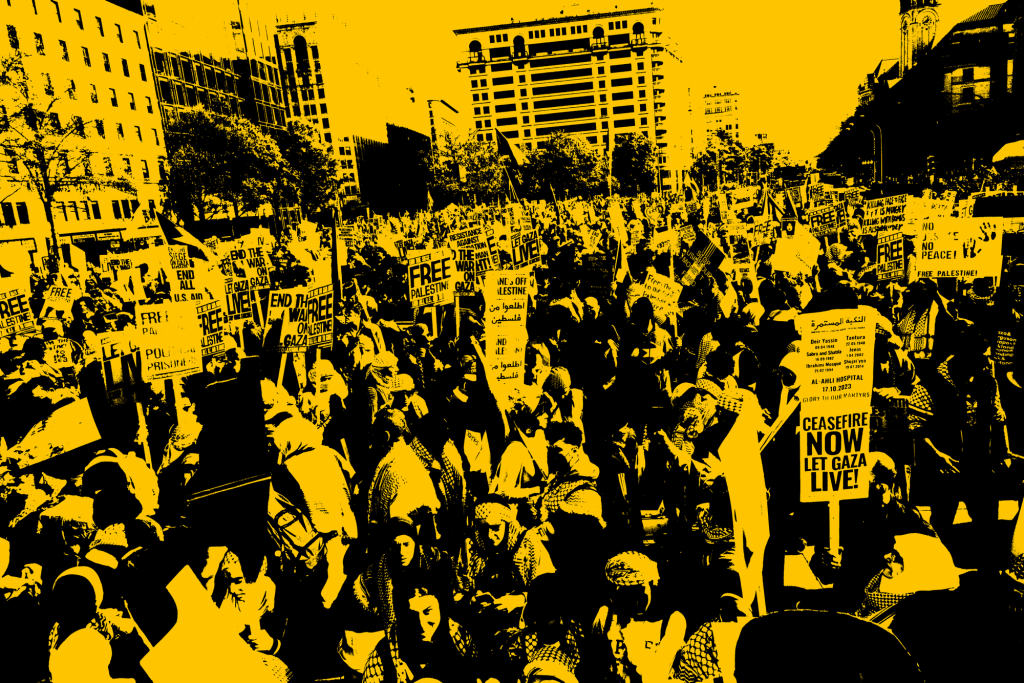
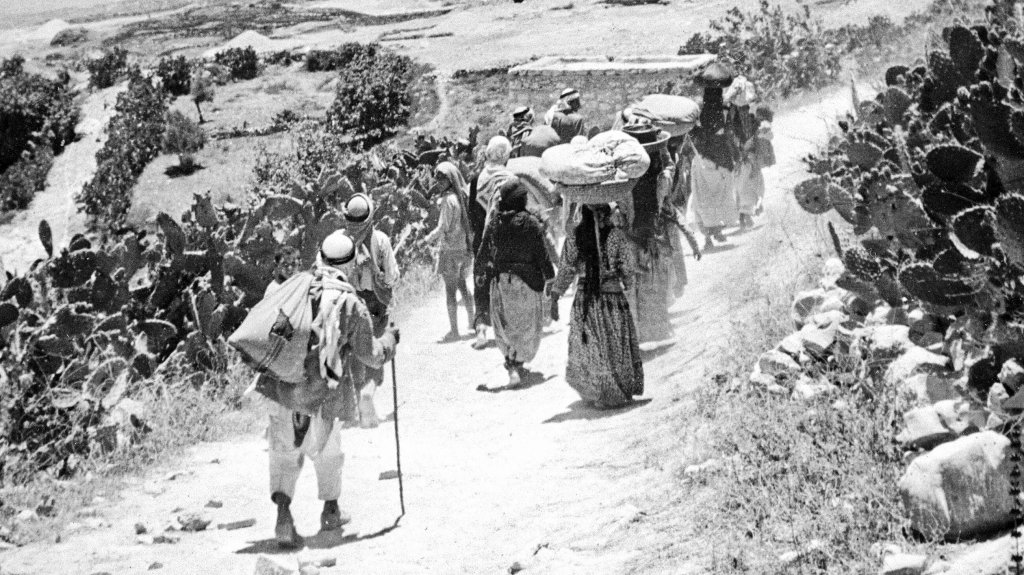
    May 15, 2025 marks the 77 year anniversary of the 1948 Nakba, The Israeli ethnic cleaning campaign against the Palestinians following the declaration of Israel’s independence.

    The Naming of the Nakba as an ethnic cleansing campaign is absolutely correct and sets the stage for the ongoing decades long Israeli imposed Apartheid and genocide of the Palestinian people.

    Pre-Nakba History

    From about 1517 to 1917, the land of Palestine was under the rule of the Ottoman Empire. After the fall of the Ottoman empire, Palestine was left as a British possession. The British signed what is known as the Balfour Declaration, which expressed the Empire’s support for, and recognition of the establishment of a Jewish homeland in Palestine, which at this point was a British Mandate whose rule mirrored that of a colony.

    The British were looking to secure Imperial interests in the region, with Winston Churchill stating that the creation of a Jewish state under the protection of the British crown would be “beneficial and would be especially in harmony with the truest interests of the British Empire.” The creation of this state would serve as a bulwark against any threat to British interests in the region, a role that Israel still serves for the U.S. today. From this point on, the British would help facilitate Jewish settlement into Palestine.

    This settlement would serve as the basis for a colonial occupation with the Jewish population rising from about 9% to nearly 27% between 1922 to 1935.

    The 1948 Nakba

    Fast forward to 1947. The U.N. provided a partition plan to create 2 states, one Jewish and the other Palestinian, in historic Palestine granting the majority of the land to the minority population of zionists.

    Following this partition plan, militant groups called the Haganah started what was called Plan Dalet, which in April 1948 aimed to forcibly seize the lands designated to them in the 1947 Partition plan (Land which was populated by Palestinians) as well as land designated to the Palestinian state. This included the occupation and complete destruction of Palestinian villages. They successfully seized land that was intended to be given to the Palestinian state and forcibly removed Palestinians who were living in the now designated Israeli territory, brutally expelling and killing inhabitants.

    On May 14, 1948 the British Mandate officially ended and Israel declared it’s independence. The day after on May 15, 1948, Israel expanded it’s horrific ethnic cleansing campaign. Israeli settlers raided and destroyed approximately 500 Palestinians villages and cities, replacing them with Jewish settlements, killing about 15,000 thousand people, and expelling 750,000 Palestinians from what Israel considered to be it’s territory in Historic Palestine.

    This left 750,00 Palestinians displaced in refugee camps in Gaza, the west bank, and surrounding countries, many legally prevented from returning to their homes.

    In the initial partition plan, Israel was unjustifiably given about 55% of Palestinian territory. Following the onset of the Nakba, Israel controlled about 78% of the land, showing the extent to which the Israeli project, from it’s inception to the present, has ignored and violated Palestinian sovereignty, proving itself to be the aggressor.

    The Palestinians were never given an opportunity to create their own state within their historic homeland, with the remaining Palestinian territories (Gaza and the West bank) falling under Israeli control and occupation by 1967.

    Legacy of the Nakba and its Continuation

    Since then, the Israeli government has subjected the Palestinian people to endless Apartheid and Genocide, controlling just about every aspect of Palestinian life, from the movement of Palestinians through unjustifiable checkpoints, to controlling the amount of humanitarian aid that enters Palestinian territory, to controlling their infrastructure, and to outright slaughter of anybody and everybody.

    While it may be portrayed as a conflict or a “war” between two equal warring states sharing equal responsibility, the truth is that Palestinians have never been afforded any form of genuine self determination, any chance at sovereignty, or any form of legal resistance against Israeli control. The Palestinians have been under continuous decades long occupation and control by a genocidal apartheid regime. It is very clearly an oppressed subjugated by the oppressors.

    The actions witnessed by Israeli militants during the Nakba, from the destruction of Palestinian Villages and cities, to the expelling of indigenous Palestinian inhabitants, to blatant killings, have set the stage for every action Israel has taken in Palestinian territory up to the Present with Palestinians at no point being given any sovereignty to determine the fate of their own existence.

    Many Palestinians today argue that the Nakba never ended, citing ongoing Israeli settlement expansion in Gaza and in the Westbank, violating again and again Palestinian territory and continuing with ongoing expulsions and killings of the Palestinian people.
  • Update: Majority of Gaza Under “No-Go” Zones as Israel Continues to Block Entry of Humanitarian Supplies

    Update: Majority of Gaza Under “No-Go” Zones as Israel Continues to Block Entry of Humanitarian Supplies

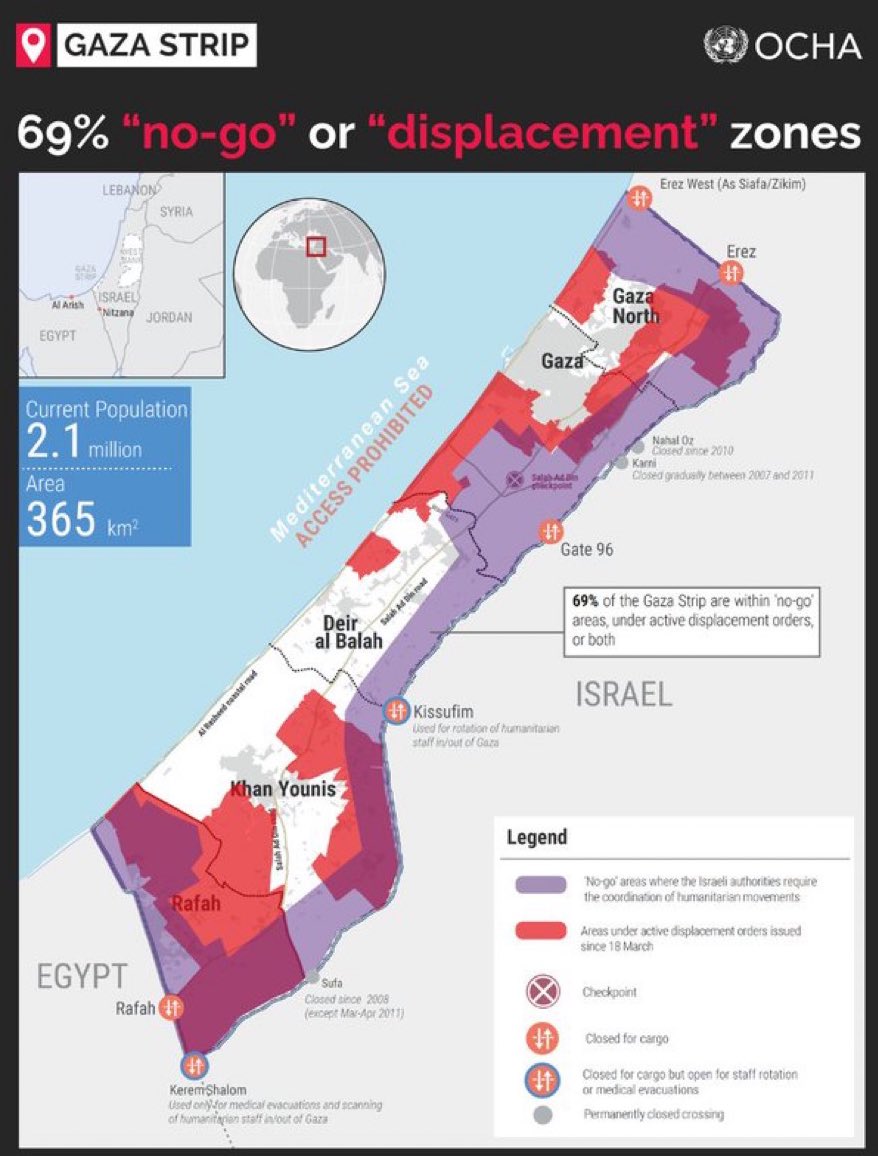
    Between March 18 to April 14, the Israeli military issued 20 displacement orders, forcibly relocating and displacing hundreds of thousands of Palestinians to ever decreasing zones within the Gaza strip. Over two thirds of the Gaza strip are now under these “No-Go” zones, cutting off connections within the strip and with Egypt as well, which has historically been the only crossing in and out of the Gaza strip not controlled by Israel, and a crucial crossing point for humanitarian aid.

    The displacement zones also disconnect cities such as Rafah, Khan Younis, and Gaza city from each other within the stip. Israeli Defense Minister Israel Katz has stated that Israeli military forces will remain in the designated security zones that it has established within the Gaza strip through seizure of Palestinian land. These zones will serve as corridors for the Israeli Military to occupy the Gaza Strip and will allow the military to further monitor and control the movement of Palestinians.

    Additionally, Katz has declared that “all of Rafah will be evacuated and there will be a security zone”. This is especially concerning as Rafah has served as a shelter for Palestinian refugees fleeing Israeli-caused destruction elsewhere in the Gaza strip, also serving as a reception point for humanitarian aid, and as a connection to the Egyptian border for those seeking emigration.

    Defense Minister Israel Katz has also stated: “Gaza will become smaller and more isolated, and more and more of its residents will be forced to evacuate from the fighting zones.”

    In conjunction with the implementation of these displacement zones, Israel has been blocking the entry of any humanitarian aid into Gaza. The UN has shared that the Palestinian Refugee Agency (UNRWA) has humanitarian supplies stockpiled outside of the Gaza strip. The only barrier to delivery is the refusal by the Israeli government to allow that aid to enter. The UNRWA has has warned that “supplies inside Gaza are nearly all gone, with food stocks running dangerously low and only 250 food parcels left”. Israel has blocked the entry of any food, medicine, and other humanitarian aid since March 2.

    U.S. foreign policy has played a crucial role in the development of this conflict and can play a crucial role in pressuring a ceasefire. U.S. arms manufacturers and foreign policy diplomats provide Israel with a majority of its military and economic support, allowing the Israeli military to conduct its actions on the scale that it currently operates. As many have pointed out, the administration in power in the U.S. can pressure ceasefire negotiations by withholding said military and economic aid. However, this is a power not exercised by U.S. administrations.

  • U.S. Senator Van Hollen Shows Power that the Democratic Party Should Use More Often

    U.S. Senator Van Hollen Shows Power that the Democratic Party Should Use More Often

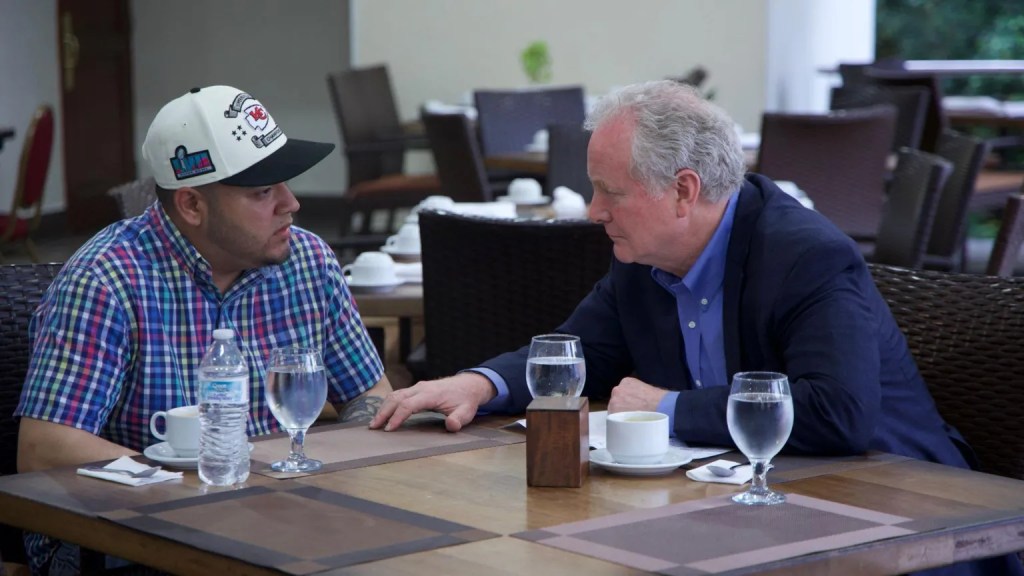
    On April 18, 2025, Senator Chris Van Hollen pressured the Salvadorian government to allow him to meet with Kilmar Abrego Garcia, a Maryland resident who the Trump administration admitted to wrongfully and illegally deporting.

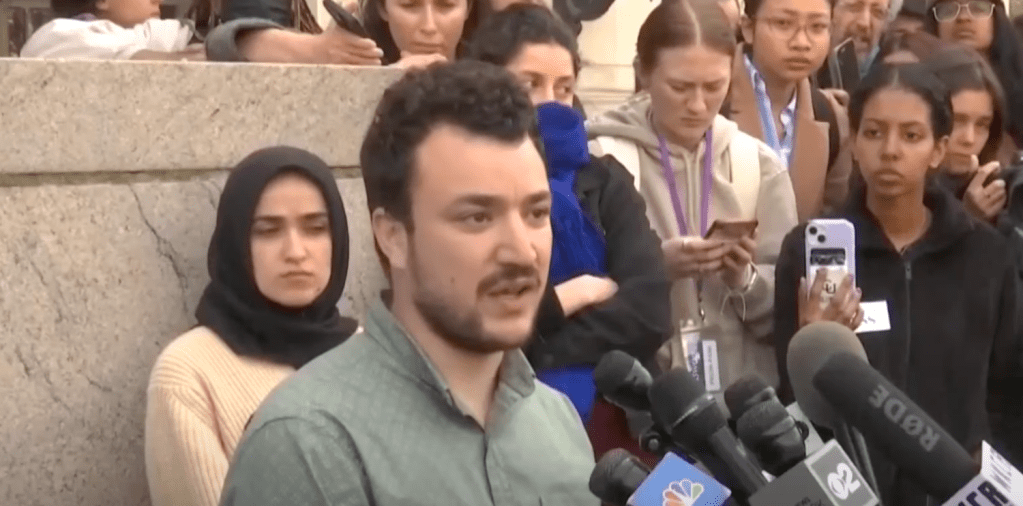
    Van Hollen elaborated in a press conference on how he obtained a meeting with Abrego, stating that he requested visitations and calls with Abrego, petitioning as well for the Salvadorian government to allow him some contact with his lawyers or family as well.

    After repeated no’s from Salvadorian Officials, Van Hollen drove to CECOT, where he was stopped by soldiers and was told that he could not proceed. Upon preparing to leave the country, Van Hollen stated that he received word that he would be allowed to meet with Abrego.

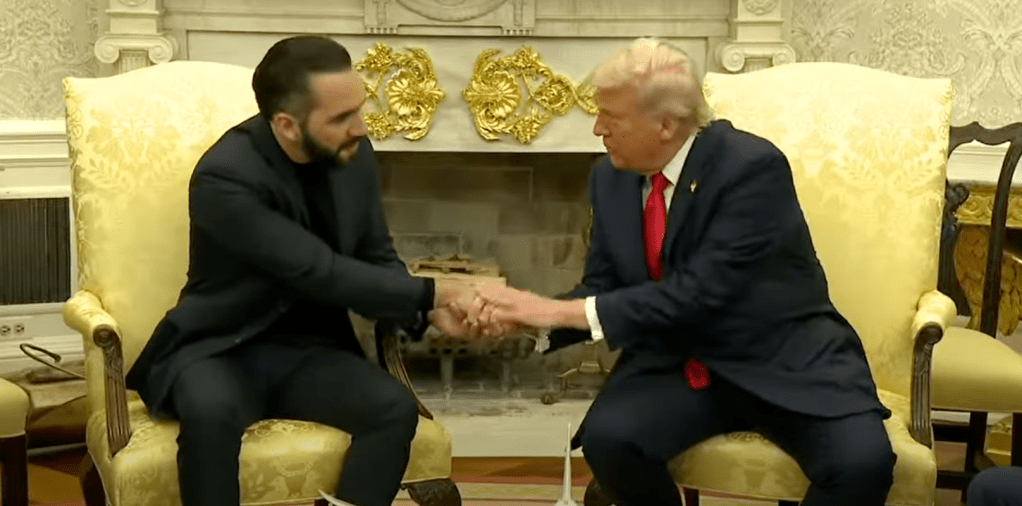
    El Salvador’s President Nayib Bukele shared photos on X of the meeting, stating that they had allegedly been drinking margaritas. It’s clear that Bukele gave in to the pressure that a U.S. Senator can procure.

    The lesson to be learned here is that party officials, including Senators, do indeed have lots of power to demand attention to an issue, to pressure action and response from government officials, and to push back against misinformation and injustice.

    The sad reality is that this is a power that is all too often forgotten by Democratic Party leaders. By making the issue unavoidable to the press, party officials can garner the media attention required to push back on harmful and false narratives, can lead the way for positive policy development.

    It can be extremely effective in combatting misinformation about migrant crime (when in reality migrants in the U.S. commit less crimes per capita than U.S. born citizens), or in combatting narratives about student protests “supporting terrorists”, or to bring attention to conflicts or ongoing genocide, etc.

    Rather, there are numerous instances where party officials capitulated to the right on their narratives and their framing, from a supposed immigration crisis, to supporting genocide, to outright agreeing with the Trump administration on the suppression of free speech, among various other cases.

    Chris Van Hollen’s actions showed the power that a single U.S. senator can have in shifting the narrative about an issue, simultaneously combatting misinformation and raising awareness, which can ultimately have effects on policy or even elections. By making a situation unavoidable to the press, elected party officials can procure the means to shift the narrative about import issues in society, and can use their power to advocate for just policy and positive change.

  • Opinion: How they use “Criminals” to Take our Rights Away

    Within Donald Trump’s first 100 days in office, we have seen several highly controversial cases, from the arrest of Mahmoud Khalil and the revoking of his green card, the arrest of Mohsen Mahdawi and the threat of removal of his green card, to the illegal and unjust deportation of Kilmar Abrego Garcia, to the detainment of U.S. citizens and high profile lawyers at points of entry, and to ICE agents smashing car windows illegally to detain individuals, among many other cases.

    In each of these instances, we see the administration pushing the limits of our constitutional protections, from arrests for exercising the right to free speech, to the blatant refusal to provide due process, to illegal search and seizure. And while the administration claims it’s only targeting criminals, they have been detaining U.S. citizens as well.

    In fact, in many of these cases, these individuals were otherwise law abiding residents. However, the framing of these individuals as criminals only serves to manufacture consent for these illegal actions, allowing the administration to test the limits of our rights.

    Khalil, Mahdawi, and Abrego serve as particularly effective targets. They are individuals who were law abiding or had proper legal protections. They are individuals who are in the same legal position as most other law abiding residents. If the administration can successfully violate their rights, they can successfully violate anyone else’s. Point being, this will not stop at the “criminals,” this will inevitably affect everyday Americans.

    Law is based off of precedent, so if precedent exists to remove the green cards of people who were exercising their right to free speech based solely on vague claims and loose evidence, then precedent exists to remove the green cards of otherwise law abiding residents based off of loose and vague claims as well. If the administration can get away with deporting a legally protected migrant, then they can get away with deporting any other legally protected migrant.

    This falls in line with the administrations own stated goals. Donald Trump, throughout his campaign repeatedly praised Operation Wetback, which infamously deported legal residents as well as U.S. citizens. He ran on promises to repeat a similar project. If the administration can get away with the deportation of Abrego, Khalil, and Mahdawi, then it establishes the precedent for the administration to fulfill its goal of mass deportations of migrants, legal residents included.

    For example, Kilmar Abrego Garcia is not a criminal, and in fact is in a very similar position to many migrants you may know: migrants who are allowed to stay on work permits, asylum, withholding of removal, etc. If the Administration gets away with the unjust deportation of Abrego and establishes that as precedent, then it establishes precedent to do the same with your neighbor, your friends, your family.

    Khalil and Mahdawi were green card holders who violated no laws, they only exercised their right to free speech. If the administration can get away with the revoking of their green cards and their deportations, then it sets the precedent to do the same with other law abiding green card holders.

    The framing of these individuals as criminals only serves to manufacture consent amongst the public for the government to test and unravel our constitutional rights without anyone batting an eye. This will ultimately set precedent for the very same things to happen to you or to people you know.

    It isn’t just a migrant issue either. If the administration can simply arrest and deport any individual or ship out any detainee, citizen or not, to a foreign country and subvert any due process, then they can target just about anyone for any reason with no evidence whatsoever.

    This isn’t just about “criminals.” This could open the door to political suppression and dangerous overreach towards anyone the government determines as an enemy: dissidents, political opponents, disruptive legal professionals, etc. In the worst case scenario, you are who the government says you are, and if you’re deemed to be a criminal, what due process do you have to say otherwise? What sort of power do you have to say otherwise?

  • Palestinian student leader arrested, faces deportation before final citizenship interview

    Palestinian student leader arrested, faces deportation before final citizenship interview

    Mohsen Mahdawi, a Palestinian student leader at Columbia university was arrested on Monday April 14, 2025. The arrest occurred at a U.S. Citizenship and Immigration services facility in Vermont, where Mahdawi was to begin one of the final steps toward becoming a U.S. citizen after holding a green card for over 10 years.

    Mahdawi helped lead campus protests a year ago at Columbia university which shed light on the genocide of Palestinians. He is the second Columbia student targeted by ICE for involvement in actions that are constitutionally protected as free speech, the first being Mahmoud Khalil.

    Like Khalil, Mahdawi is a green card holder. However, the Trump administration, citing the Immigration and Nationality act, is attempting to revoke his green card and expel him from the country.

    The Immigration and Nationality act allows for the cancellation of permanent residency should one’s actions compromise U.S. foreign policy interests. According to the Administration, his outspoken support for a ceasefire in Palestine presents an alleged serious foreign policy consequence, with Secretary of State Marco Rubio stating “If they’re taking activities that are counter to our national interest, to our foreign policy, we’ll revoke the visa”.

    The United States District Court District of Vermont, in it’s petition for writ of Habeas Corpus, has stated “In addition to violating Mr. Mahdawi’s First Amendment rights, the Rubio Determination and Mr. Mahdawi’s unlawful detention also violates Mr. Mahdawi’s statutory rights and due process rights.”

    💡
    First Amendment: Congress shall make no law respecting an establishment of religion, or prohibiting the free exercise thereof; or abridging the freedom of speech, or of the press; or the right of the people peaceably to assemble, and to petition the Government for a redress of grievances.

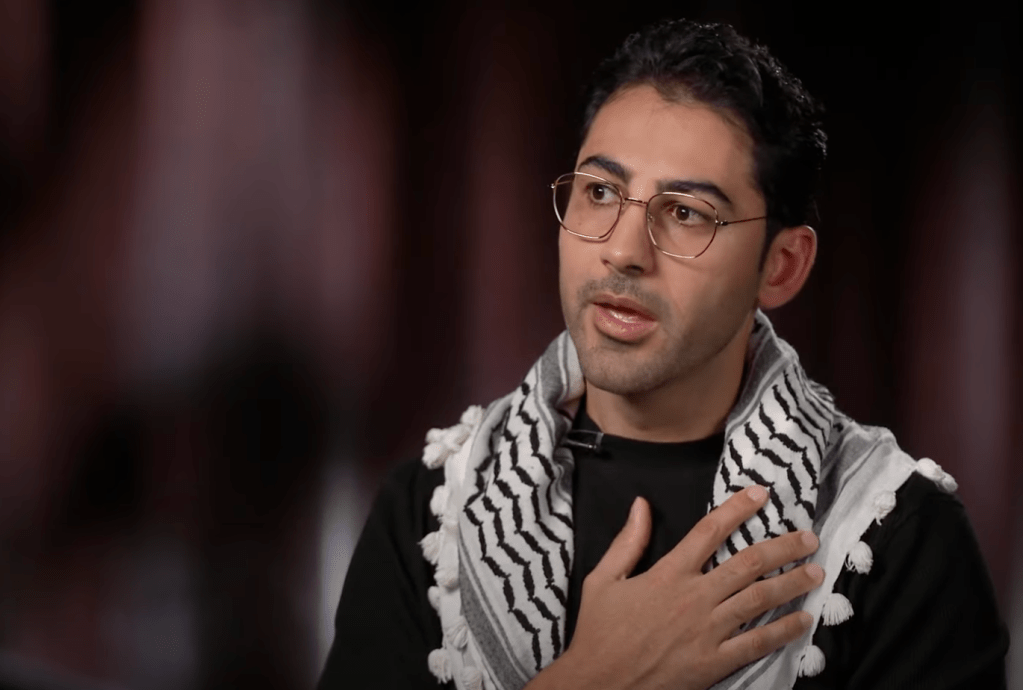
    While the Administration has also claimed that the rise of Pro-Palestinian protests have led to a rise in antisemitic speech, many leaders in the movement, including Mahdawi, have made large efforts to shut out antisemitic speech from having any role. Mahdawi, in an interview with 60 Minutes, stated “The fight for freedom of Palestine and the fight against antisemitism go hand in hand because injustice anywhere is a threat to justice everywhere”.

  • Opinion: Why Kilmar Abrego’s Case Could Pose a Threat to Our Constitution

    Opinion: Why Kilmar Abrego’s Case Could Pose a Threat to Our Constitution

    Kilmar Abrego Garcia’s case has presented the Trump administration with unprecedented circumstances which could put into question our constitutionally protected right to due process, and the system of checks and balances intended to prevent authoritarian control by any branch of government. This comes after Salvadoran President Nayib Bukele’ visit to Washington and his stated unwillingness to send Abrego back to the U.S. Let’s take a look at what’s at sake.

    Due Process

    Abrego, who had been granted withholding of removal, was deported to El Salvador without due process. The Fifth Amendment of the U.S. Constitution states that the federal government cannot deprive one of “life, liberty or property without due process of law.” This applies to all persons within the U.S., including non-citizens.

    Due process is understood as the obligation that our government has to give someone who has been accused of a crime the right to a fair trial, which was denied to Kilmar Abrego. Not once before getting sent to CECOT did Abrego have an opportunity to argue his defense, to present to a court his valid immigration status, or to refute the baseless claims about ties to MS-13.

    This administration has shown its willingness to punish someone without abiding by the constitutionally guaranteed right to due process, which should ring an alarm for anyone who has an interest in protecting our rights. The administration has also presented a dangerous model to imprison anyone without due process by sending detainees to countries outside of the jurisdiction and claiming they can do nothing about it. It provides a framework for authoritarian jailings beyond the power of U.S. citizens.

    This presents a loophole to undermine any person’s constitutional rights. It establishes a framework for an authoritarian government to arrest anyone, ship them off to a foreign prison and claim that the individual is outside of U.S. jurisdiction and that nothing can be done.

    As the Fifth Amendment does not pertain solely to citizen or non-citizen, these actions put at risk the right that all people have to due process as we know it. It could also potentially set precedent for the government to take action against anyone for any reason, imprisoning anyone without providing a fair trial.

    💡
    Following the meeting with Trump and Bukele in Washington on April 14, 2025, Trump has reportedly claimed that “home-grown’s are next”.

    Checks and Balances

    While the Supreme Court has upheld the decision by a lower court to “facilitate” the return of Kilmar Abrego Garcia, the constitution provides no way for the courts to enforce their decision. The separation of powers and system of checks and balances relies on the recognition of the court’s authority by the other two branches and in this case, the Executive.

    The administration has argued that US officials cannot compel the Salvadorian government to return him. However, the deportation of prisoners to El Salvador is a paid agreement between the two countries, an agreement which theoretically may be terminated. The funds which the U.S. has given El Salvador are reportedly to assist in the funding of the Salvadorian Prison system, which the U.S. government could use as leverage to pressure Abrego’s return.

    Additionally, while Bukele states that he does not have the power to return him to the United States, the Salvadoran Government has extradited Salvadoran citizens to the U.S. allowing the U.S. government to fulfill it’s constitutionally mandated duty to provide due process. The U.S. and El Salvador also have an extradition treaty, giving both governments full power to send Abrego back should this administration have full intent to engage in its constitutional responsibilities.

    This goes to show the multiple different avenues and historical legal precedent which the administration can use to follow the court’s orders, which should be quite easy for an “expert negotiator”.

    If the Administration should proceed to resist, this may put into question the extent of the power that the Judiciary has. It could set extremely dangerous precedent which undermines the systems of checks and balances designed by the constitution and creates a framework for the authoritarian imprisonment of anyone, citizen or not, without a trial.

  • Latest Ruling in Mahmoud Case Raises Citizen Rights Concern

    Latest Ruling in Mahmoud Case Raises Citizen Rights Concern

    Update on Mahmoud Khalil’s Case

    On April 11, 2025, the court held that the government established by clear and convincing evidence that Mahmoud is removable. The attorneys for Mahmoud criticized the hearing’s fairness. Much is left to speculation because the court did not delineate the evidence it weighed in making this determination.

    If the court simply based its decision on a memorandum from the Secretary of State, this raises serious concerns. The government is using INA section 237(a)(4)(C), a rarely used law from the Cold-War Era to deport Mahmoud.

    The law requires that the government present clear and convincing evidence that Mahmoud’s presence or activities would have serious adverse foreign policy consequences for the government. The law also allows the government to proceed if the Secretary of State personally determines that an undocumented person’s admission would compromise a compelling U.S. foreign policy interest.

    Based on the ruling, it would appear that the Judge found that Mahmoud engaging in protected speech and expressing anti-war sentiments had serious adverse foreign policy consequences and that Mahmoud compromised a compelling U.S. foreign policy interest based on the Secretary of State’s personally making this determination.

    The question is “what evidence was presented to make these findings”? The law requires evidence that Mahmoud’s actions caused the government serious adverse foreign policy consequences and that a compelling U.S. foreign policy interest was compromised.

    Based on the information that has so far been presented against Mahmoud, he engaged in protected speech and there is no evidence that this actions had serious adverse foreign policy consequences for the government or that his actions compromised a compelling foreign policy interest. This ruling gives way to subjective government intrusion of constitutional rights.

    Although INA section 237(a)(4)(C) does not apply to U.S. citizens, this ruling opens the door to the creation and/or application of similar laws applicable to U.S. citizens that would obviously not make them deportable but would criminalize protected speech.

    Although anti-war and political speech protections are well-established, this case should be a warning to U.S. citizens because it was also well-established that legal permanent residents’ anti-war and political speech fell under this well-established protection. The ruling opens the door to political persecution that would only require the Secretary of State to “personally” make a finding that the speech compromises a compelling foreign policy interest.

    This ruling will be appealed by Mahmoud’s attorneys to the Board of Immigration Appeals. He also has a pending case challenging the legality of his detention. Nonetheless, this latest ruling raises concerns about the limits of the government.

  • Timeline of Kilmar Abrego’s Case and Bukele’s refusal to send him back.

    Timeline of Kilmar Abrego’s Case and Bukele’s refusal to send him back.

    Updated April 14, 2025

    On April 10, 2025, the Supreme Court upheld the decision of a lower court ordering the Trump administration to “facilitate” the return of Kilmar Abrego Garcia. This comes after Abrego’s deportation to the Salvadorian prison known as CECOT and what the administration admitted to be an “administrative error”.

    Let’s take a quick look at the timeline of events leading up to the Supreme court order.

    Timeline of Events

    On March 12, 2025, Abrego was stopped by ICE agents in his car with his 5 year old son. ICE agents contacted the child’s mother, telling her “she had ten minutes to pick up her son before he was turned over to child protective services.”

    At the time, Abrego had a work permit in the U.S. and was still granted a withholding of removal, which forbade his removal to El Salvador.

    On March 15, 2025, the Trump administration sent three planes with the deportees to El Salvador. This was done without a trial or hearing to determine the validity of a deportation or the validity of the claims to having MS-13 gang ties, violating the Fifth Amendment of the constitution which ensures that the federal government cannot deprive one of “life, liberty or property without due process of law.” This applies to non-citizens as well.

    The plane holding Abrego was ordered to turn around by Judge Boesberg stating “You shall inform your clients of [the Order] immediately, and that any plane containing [members of the class] that is going to take off or is in the air needs to be returned to the United States”

    Despite this order, the plane proceeded to land in El Salvador, leaving Abrego in the Salvadorian prison known as CECOT, while having never been convicted of any wrongdoing. The Trump administration admitted to his wrongful deportation, claiming it to be an “administrative error”.

    On April 4, 2025, The United States District Court for the District of Maryland ordered the facilitation of his return and on April 10, 2025, the Supreme court unanimously upheld the lower courts decision.

    On April 14, 2025, Salvadoran President Nayib Bukele visted Trump in Washington, stating that the question to return Kilmar Abrego was “preposterous”. Bukele also stated that he does not have the power to send Abrego back nor the interest to do so. The U.S. and Salvadoran government have an extradition treaty which allows either government to send detainees to either country, as well as historical precedent of the Salvadoran government extraditing Salvadoran citizens to the U.S.

  • Why the Working Class Should Be Worried About the Case of Khalil Mahmoud

    Why the Working Class Should Be Worried About the Case of Khalil Mahmoud

    Khalil is a legal permanent resident of the United States. Both legal and undocumented people within the U.S. territories are entitled to Constitutional protections such as the First, Fifth and Sixth Amendments (freedom of speech, freedom from unreasonable search and seizures, due process and right to counsel).

    Khalil was arrested on March 8, 2025 and set to be deported. The government claimed that he was a threat to the United States due to his involvement in anti-war protests in support of Palestine. The government claimed that Khalil was engaging in anti-semitism and supporting Hamas, an organization deemed a terrorist organization by the U.S. government. The Judge presiding over Khalil’s case ordered the government to produce evidence for its detention and potential deportation of Khalil.

    On April 10, 2025, the government submitted a memo signed by Secretary of State, Marco Rubio, in support of its position to deport Khalil. The memo essentially states that under INA section 237(a)(4)(C)(I), the Secretary of State must personally determine that the “alien’s” presence or activities would compromise a compelling U.S. foreign policy interest, and deem the person deportable.

    This is clearly a subjective test as to what constitutes an activity or presence that compromises a compelling U.S. foreign policy interest.

    Although, this would be subject to a court’s review, it nonetheless raises serious concerns about the reach of the government. If the government is allowed to subjectively label a person’s presence or activities as compromising a compelling U.S. foreign interest, it opens the door to authoritarianism.

    If the government is allowed to violate a lawful permanent resident’s first amendment rights, will this then transpire to U.S. citizens? The answer is yes! If the government is allowed to prioritize so-called foreign policy interests over lawful permanent residents then it takes us a step closer to allow the government to prioritize “foreign policy interests” over U.S. citizens.

    Although in this case the consequence is detention and deportation, the alternative for a U.S. citizen could easily be detention and/or prohibition of their first amendment rights.

    How does this affect the working class?

    There was a time in the U.S. when being associated with the communist party or even communist beliefs led to government persecution and deportations. This period is referred to as the “Red Scare of the 1920’s.” Most importantly, labor strikes were considered a sign of communist influence and labor unions were targeted. It may appear that Unions would not be a target in the present day, as they are now widely accepted. However, Trump has shown his lack of support for labor unions.

    If labor unions were to organize and there is a rise of labor unrest and/or strikes, we can see how easily the government can deem the strikes as compromising compelling U.S. foreign policy interests, as it relates to trade and tariffs. This would significantly reduce the power and influence of the working class.

    These fears extend to anybody beyond the labor movement as well. Should any American be deemed a threat for any reason, even without evidence, they may be subject to the interests of the state without proper constitutional protections.

  • March on Washington over U.S. support for Israeli Genocide of Palestinians

    March on Washington over U.S. support for Israeli Genocide of Palestinians

    On Saturday April 5th 2025, thousands showed up in Washington D.C. to protest the ongoing genocide by Israel against the Palestinians. The event featured many speakers who highlighted the history and struggles of the Palestinian people as well as the goal for Palestinian liberation. The march was hosted by a series of organizations under the “March on Washington” banner, saying this about their movement:

    “This movement is made of students, workers, teachers, artists, activists, healthcare workers, tech workers and people of conscience all over the world who will not back down in the face of repression and intimidation, and will never back down so long as Gaza is under attack. That’s why on April 5th we are standing up to Trump and his ethnic cleansing plan for Gaza, we are standing up to repression, and we are standing up to the US’s continued facilitation of the genocide in Gaza. We demand a permanent ceasefire and an arms embargo now!”

    The goal is to encourage the U.S. government to withdraw its support as the primary supplier of military and financial aid to the Israeli government, which provides the Israeli Government with the means to conduct military operations in civilian centers. The U.S. government supplies Israel with about 69% of its arms, including bombs, missiles, jets, ammunitions and small arms, to include a few.

    The U.S. withdrawal of that support would mean the inability for the Israeli government to conduct its military operations on its current scale, which has resulted largely in civilian causalities, leading to about 50 thousand deaths of children, parents, reporters, and first responders.

    Additionally, U.S. funding to Israel has reached about $18 billion in military aid and counting since October 7th 2023, not including what the U.S. has given the Israeli government previously, costing the American tax payers billions while our schools, libraries, and public assistance programs struggle for proper funding.

    Many of the speakers called for a U.S. embargo on military aid, demands of justice for political prisoners, and for an end of Israeli occupation of historically Palestinian lands.

    One event speaker, Taher Dahleh from the Palestinian Youth Movement said: “Politicians in government everyday either choose to meet the people’s needs in housing, in healthcare, education, in access to food, or they can choose to continue sending billions of dollars to Israel for its war of extermination”.

    The Trump administration has continued its support for Israel, approving $7 billion in an arms package in February of 2025.

    Monadel Herzallah from U.S. Palestine Community Network says about Palestinian Liberation: “It’s about what kind of world that we are going to be living in, and what kind of world we leave behind for our children. That is what’s at stake. We will not accept to live in a world where genocide is normal.”